
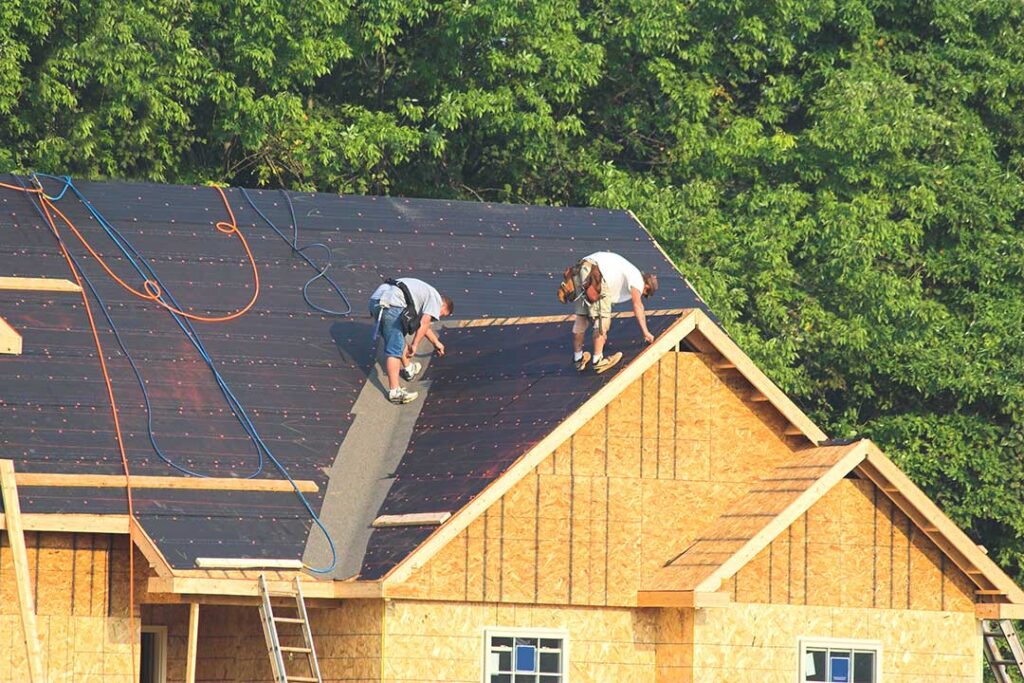
Roof cleaning is safest when the goal is to remove damaging growth and debris without walking on fragile surfaces or using methods that strip away roofing materials. For most homes, that means working from the ground whenever possible, choosing a mild cleaning approach, and avoiding roof work during wet, icy, windy, or unusually cold conditions.
Why should a roof be cleaned?
A roof may need cleaning when leaves, pine needles, moss, algae, or lichen collect on its surface. These materials can hold moisture against shingles, block drainage paths, and encourage deterioration around roof edges and roof penetrations.
Dark streaks on asphalt shingles are often caused by algae. They may look like dirt, but repeated aggressive scrubbing can remove the protective granules from the shingles. Moss is a greater concern because it can lift shingle edges as it grows beneath them.
In Endwell, seasonal weather can contribute to roof buildup. Fall leaves and small branches may collect in valleys and gutters, while spring moisture and shaded areas can support moss or algae growth. Snow and ice can then conceal problems until warmer weather returns.
Cleaning does not make an old or damaged roof new again. Missing shingles, exposed underlayment, sagging areas, active leaks, and widespread granule loss require evaluation rather than cosmetic treatment.
Is it safe to walk on a roof?
Walking on a roof is not automatically safe, even when the surface looks dry. Asphalt shingles become brittle with age, can be slippery from algae or moisture, and may lose protective granules under foot traffic. Steep roofs, metal roofing, slate, wood shakes, and roofs with fragile or aging materials create additional hazards.
A safer approach is to inspect and clean from the ground using binoculars, a camera with a zoom lens, or an extension tool designed for roof-edge work. A stable ladder may be useful for checking gutters, but it should not be used as a substitute for safe roof access.
Avoid roof work entirely when:
- Shingles are wet, icy, frosted, or covered with snow
- Wind could affect balance or carry tools
- The roof has a steep slope or difficult access
- Power lines are near the work area
- The surface is visibly damaged, soft, sagging, or unstable
- The person doing the work is uncomfortable with heights
If cleaning requires walking on the roof or using specialized equipment, the risk may outweigh the benefit of removing surface staining.
What equipment is appropriate for roof cleaning?
For ground-based cleaning, use equipment that limits force and prevents chemical drift. Basic supplies may include:
- Binoculars or a camera for inspection
- Work gloves and eye protection
- A garden hose with a gentle spray setting
- A soft, long-handled brush for reachable areas
- A plastic scoop or gutter tool
- A properly rated ladder with a level, stable base
- A mild roof-cleaning solution labeled for the roofing material
A pressure washer should not be used on typical asphalt shingles. High-pressure water can dislodge granules, force moisture beneath shingles, damage flashing, and shorten the roof’s service life. It can also send dirty water and cleaning chemicals onto siding, windows, gardens, and neighboring areas.
Do not improvise with strong solvents, gasoline, paint thinner, or concentrated household cleaners. These products can damage roofing materials and create fumes or runoff hazards.
How can asphalt shingles be cleaned safely?
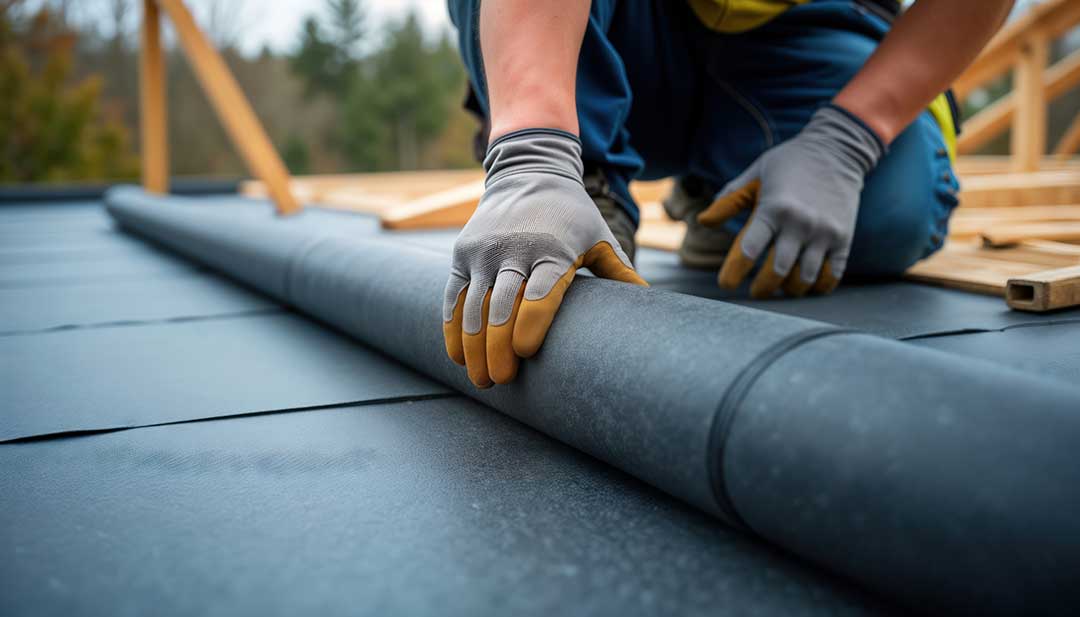
The safest routine method is gentle treatment rather than forceful scrubbing. Begin by removing loose leaves and small debris without dragging tools across the shingles. Work from the ground or from a secure, low-risk position at the roof edge.
For algae or light organic staining, use a cleaning product specifically intended for asphalt roofing and follow its label directions. Apply it during calm weather so spray does not drift. Avoid application before rain if the product requires time to work, and avoid excessive runoff.
Some roof-cleaning solutions use diluted bleach-based ingredients. These can harm plants, lawn, painted surfaces, and metal if used carelessly. Protect nearby vegetation with water before and after treatment, cover vulnerable items, and keep runoff away from ponds, drains, and areas where pets may walk.
Do not expect immediate whitening. Many treatments gradually loosen or kill growth, which may then wash away over time. Scrubbing aggressively to produce instant results can cause more damage than the original staining.
How should moss be removed?
Moss should be handled carefully because pulling it away can lift or break shingles. Never yank large mats of moss from the roof. Instead, loosen surface growth gently and use a product designed for roof moss treatment.
Moss tends to return where the roof remains shaded and damp. Trimming branches that heavily shade the roof may improve drying, but branches should not be cut near utility lines without appropriate precautions. Keeping nearby gutters clear also helps water move away from the roof rather than remaining in low areas.
If moss has grown beneath shingle edges, caused curling, or appears across a large portion of the roof, cleaning may not correct the underlying damage. The shingles may already need repair or replacement.
What about gutters, valleys, and roof edges?
Roof cleaning should include a careful look at drainage areas. Valleys, gutters, downspout openings, and roof edges collect the debris most likely to cause water problems.
Clean gutters from a stable ladder position while keeping both feet on the ladder and maintaining three points of contact. Do not lean far to either side. Move the ladder rather than stretching. Use gloves because gutter debris may contain sharp metal, insects, animal waste, or decomposing material.
Check that downspouts discharge water away from the foundation. A clogged downspout can cause overflow against siding, basement walls, walkways, or entry areas. After cleaning, run a small amount of water through the gutter system and observe whether it drains normally.
When should roof cleaning be postponed?
Postpone the work during rain, freezing temperatures, snow, ice, high winds, or intense heat. Wet surfaces increase slip risk, while freezing weather can make shingles brittle and create hidden ice. Strong sunlight can cause cleaning solutions to dry too quickly and leave uneven results.
Spring and early fall are often practical seasons for inspection, but conditions matter more than the calendar. After a major storm, look from the ground for displaced shingles, exposed flashing, fallen branches, and debris in valleys. Do not climb onto the roof to investigate storm damage.
How often does a roof need cleaning?
There is no universal cleaning schedule. A roof may need attention when debris remains wet, moss begins spreading, gutters overflow, or dark growth becomes widespread. Roofs beneath trees or in shaded areas generally need more frequent inspection than open, sunny roofs.
A ground-level inspection twice a year—often after leaf fall and again after winter—can identify problems early. Also inspect after severe wind, heavy snow, or ice events. Cleaning should be based on visible conditions, not a fixed promise that every roof needs annual treatment.
If the roof surface is fragile, steep, damaged, or difficult to access, avoiding do-it-yourself roof entry is the safest choice. A cleaning task should never create a greater risk of injury or roofing damage than the buildup itself.
