

What Are Roof Eaves?
Roof eaves are the edges of the roof that extend beyond the exterior walls of a house. They might seem simple, but their design plays a critical role in protecting homes in Endwell, NY from the weather and supporting roof performance over time.
The primary purpose of roof eaves is to keep water away from the walls and foundation, but they serve several other functions that are especially relevant in the local climate.
How Do Roof Eaves Help Protect Houses in Endwell, NY?
Eaves channel rainwater and melting snow away from the main structure of the home, reducing the risk of water damage. In a four-season region with snowy winters, heavy spring rains, and occasional wind-driven storms, well-designed eaves offer essential protection.
- Eaves direct runoff away from siding and windows, helping prevent wood rot and mold growth.
- By extending past the walls, eaves limit the amount of water that can pool near the foundation—critical for minimizing basement leaks, flooding, and foundation shifting in Endwell.
- During winter, overhanging eaves help direct icicles and melting snow away from entryways and walkways, decreasing slip hazards.
Why Are Eaves Important for Roof Ventilation and Energy Efficiency?
A well-ventilated roof is less likely to develop issues like ice dams and trapped heat. Many homes in the area have soffit vents built into the underside of the eaves. These vents are more than just small holes—they form part of an intentional airflow system.
- Soffit vents, when paired with roof vents, prevent warm air from becoming trapped in the attic, reducing the risk of ice dam formation on the roof during freeze-thaw cycles.
- Good attic ventilation helps regulate interior temperatures year-round, supporting better energy efficiency and prolonging the lifespan of roofing materials.
For homeowners in Endwell, ensuring the eaves aren't blocked by insulation, debris, or bird nests is a practical seasonal task.
Are All Eaves Designed the Same Way?
Not all eaves look or function the same, and their specific style often depends on home age, architecture, and roofing materials.
Common local variations include:
- Simple open eaves, where the rafter tails are exposed
- Boxed-in eaves, which have an enclosed soffit for a more finished look
- Deep overhangs, offering greater protection for homes with large roof spans—especially useful near wooded areas or where snow drifts are common
Historic homes in Endwell may have elaborate eave detailing, while newer construction often uses maintenance-friendly materials.
What Are Common Issues with Roof Eaves in This Climate?
Roof eaves are sturdy, but local residents sometimes overlook maintenance until a problem appears.
Typical concerns include:
- Water stains or rot at the eave edges, often caused by clogged gutters or failed flashing
- Ice buildup, which can lift shingles and force water back under the roofing
- Animal nests or bird activity, especially in open eaves or poorly sealed soffits
Taking a moment each spring and fall to check the eaves for blockages, stains, or odd odors goes a long way toward preventing costly repairs.
Do Eaves Impact the Look of a House?
Though often viewed as functional, eaves also influence curb appeal and home style. Deep eaves can give a house a sturdy, welcoming profile, while certain trim or soffit details evoke architectural styles from farmhouse to mid-century modern.
When planning exterior changes, local residents sometimes underestimate the impact that eaves have on shade, rain protection at entryways, and even the usability of porches. In areas with large trees, eaves keep leaves and twigs from piling up against siding, offering a cleaner look and reducing long-term maintenance.
Can Homeowners Modify or Maintain Their Own Eaves?
Some basic upkeep can be done safely at ground level or with a stable ladder, such as:
- Cleaning out gutters and downspouts to prevent overflow near eaves
- Checking for loose or missing soffit panels
- Spotting early signs of rot, pest damage, or peeling paint
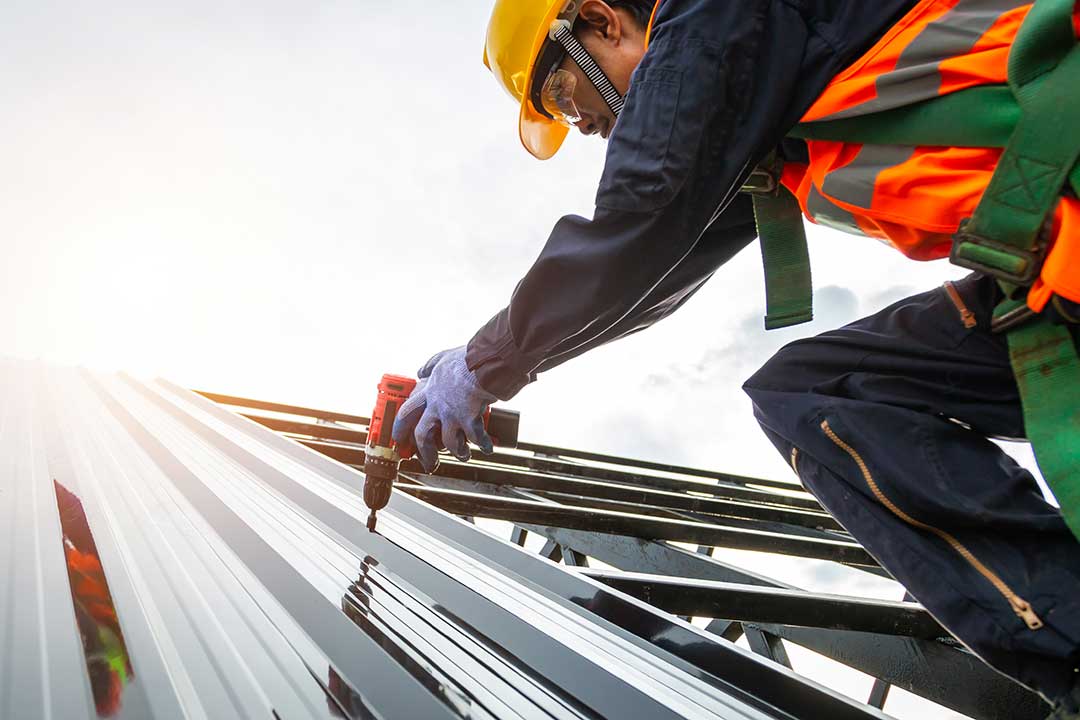
However, altering the structure of the eaves or replacing damaged sections often involves working at height and navigating ladders, so caution is advised. Homeowners should use proper safety equipment, especially during cold or wet weather.
What Misconceptions Do People Have About Eaves?
A frequent misconception is that eaves are optional or purely decorative. In fact, skipping them or reducing their depth during renovations can lead to hidden moisture problems and higher heating bills.
Another common mistake is assuming gutters alone will keep water away from the building—gutters rely on the eaves to catch and direct water in the first place.
Knowing the year-round function of eaves helps local homeowners care for their homes more effectively.
