
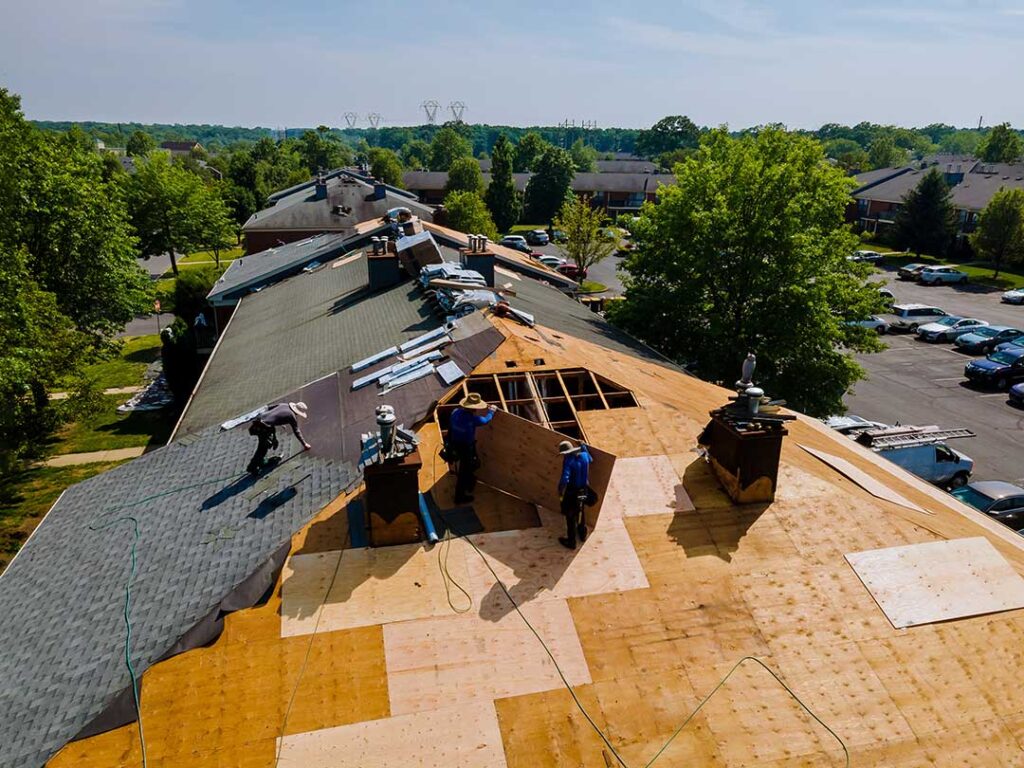
Can Roof Repairs Wait During a Crisis?
Some roofing issues, like missing shingles or leaks, may seem minor, but even during emergencies such as the COVID-19 pandemic or other large-scale disruptions, delaying repairs can lead to much larger problems for homes in Endwell, NY. Water intrusion, mold growth, and further structural damage often follow even small leaks, especially with the humidity and precipitation common locally. It's helpful to distinguish between truly urgent repairs—such as active leaks causing damage inside the home—and issues that may be safely monitored until the situation stabilizes.
What Are Safe Practices for Roof Repairs During Public Health Emergencies?
Limiting physical contact, prioritizing outdoor-only work, and following updated health guidelines help protect both households and any necessary visitors. During periods of elevated health risk, residents can:
- Communicate remotely (phone, text, video) with service personnel before anyone visits their property or approaches their home.
- Request advance notice before anyone arrives, allowing time to open gates or secure pets without interaction.
- Ask about safety protocols being followed by anyone coming onto the property, such as mask wearing or sanitizing tools and hands.
- Provide clear, simple access to the roof or problem area to minimize time spent on site.
Many local residents have found it useful to document issues with photos or videos, avoiding unnecessary in-person evaluations. Sharing these visuals can help clarify the situation before anyone needs to inspect the site directly.
How Can Residents Evaluate Urgency Versus Safety?
Knowing whether an issue demands immediate attention requires a careful look at the circumstances. In the context of widespread illness, travel hazards, or supply shortages, self-assessing urgency becomes especially important.
Examples of problems that usually cannot wait:
- Large sections of roof blown off, exposing insulation or interior
- Active water leaks that reach living spaces or electrical systems
- Structural sagging or signs of imminent collapse
Less urgent issues often include:
- Isolated shingle loss with no exposed wood
- Minor cosmetic damage or granules collecting in gutters
Area homeowners should always consider their own safety first. Repairing a roof, even temporarily, can be hazardous—especially with icy conditions or high winds common in Endwell throughout the year. Climbing onto the roof is not recommended unless the resident has proper experience and equipment. For issues threatening immediate safety or major interior damage, seeking out essential help is justified even during widespread disruptions.
What Temporary Fixes Are Safe and Effective for Area Homeowners?
For urgent leaks, residents sometimes need to make emergency fixes themselves, at least until a full repair is practical. Common, safer stopgap solutions include:
- Using a tarp to cover the affected area and securing it at the edges with heavy objects
- Placing buckets or other containers under drips to minimize water spread inside
- Applying roofing cement or waterproof tape to smaller cracks or missing-shingle spots, if accessible from a ladder
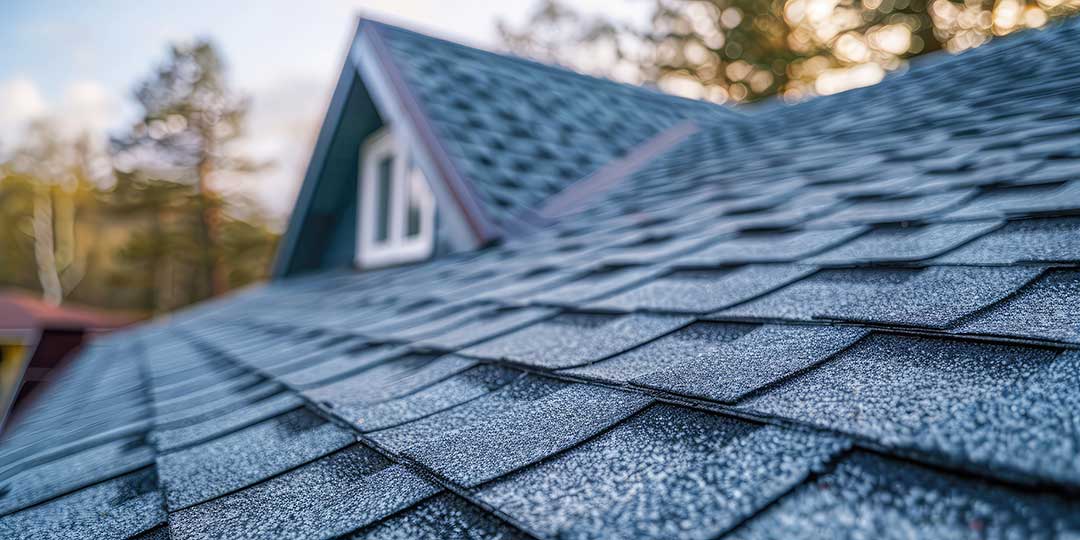
These steps help control damage but aren't a long-term solution. Any do-it-yourself intervention should be performed only from the ground or a stable ladder. Never attempt repairs during high winds, storms, or icy conditions common in Endwell winters.
What Should Residents Know About Supplies and Supply Chain Disruptions?
Supply availability may be limited during widespread emergencies due to transportation slowdowns or temporary store closures. Residents may need flexibility in material selection or timelines. For example, standard shingle colors may be out of stock, or some underlayment options might be delayed. Communicating early and openly with suppliers (by phone or online) helps households stay informed about current challenges. Planning for possible wait times is sensible.
Are There Local Regulations or Emergency Rules to Consider?
During events like the COVID-19 pandemic, local regulations may temporarily affect construction activity or visiting protocols in Endwell. These can include limits on how many people may work together on a property, or specific requirements for masking and distancing outdoors. For major work, checking municipal government updates helps area households stay aware of any restrictions or special guidance.
For repairs involving structural changes or extensive material replacement, usual permit rules generally still apply, even during a crisis. Emergency-only repairs to maintain household safety—for example, stopping an active leak—rarely require advance permission, but it's wise to review city or county guidelines before starting any substantial work.
How Can Residents Maintain Their Roofs If Full Repairs Aren’t Possible Immediately?
Attentive maintenance is especially important when repairs might be delayed. Homeowners in Endwell can reduce risk by:
- Regularly clearing debris from gutters and downspouts to prevent water back-up
- Monitoring attic spaces for hidden leaks or signs of water entry after storms
- Removing overhanging branches that could contribute to future damage
- Checking ceilings and top-floor walls after severe weather for early signs of intrusion
Preventive care helps reduce the chance a small problem becomes an emergency before it can be fully addressed.
What Are Common Misconceptions About Roof Repairs During Emergencies?
Many local households believe minor leaks or missing shingles can be ignored for weeks or months. In Endwell’s climate, changing weather makes problems worsen quickly, particularly with spring thaws or rainstorms. Temporary patches can help, but full repairs are necessary when conditions allow.
Another misconception is that DIY repairs are always safer than inviting someone onto the property during a crisis. Yet, improper repair attempts carry significant fall and injury risks, especially for those without experience. Judging the balance of urgency, safety, and health remains important for every household.
