
What Does Roof Aging Look Like in Endwell, NY?
Roof aging in Endwell, NY often presents itself as visible surface changes, leaks, and a subtle decrease in overall performance. The region’s cold winters, wet springs, and leafy autumns all put roofs through a variety of stresses. Detecting this aging early can help residents avoid more serious damage, especially given the area’s mix of architectural styles and housing ages.
How Can You Tell If an Asphalt Shingle Roof Is Aging?
For homes in Endwell with asphalt shingle roofs—commonly found in both older neighborhoods and newer developments—the first signs of aging often appear as subtle color shifts or the loss of the distinctive gritty texture.
Key signs include:
- Granule loss: Look for areas where the shingle’s surface appears bald or patchy. Granules often show up in gutters or at the base of downspouts.
- Curling or cupping: Shingle edges begin to curl upward or the center of the shingle sinks, which can be more evident after repeated freeze-thaw cycles.
- Cracking and brittle texture: Shingles can become stiff and may break when lightly touched.
- Dark streaks: Algae growth, while not primarily structural, suggests the shingle’s protective coating has worn thin.
- Moss growth: In shaded, damp areas—common near mature trees in Endwell—they indicate moisture is lingering longer than it should.
Many residents assume a leak is the first sign of roof failure, but visible surface changes usually occur long before water enters the attic. Early attention to these changes is often more effective and budget-friendly.
What Aging Signs Are Common With Metal Roofs?
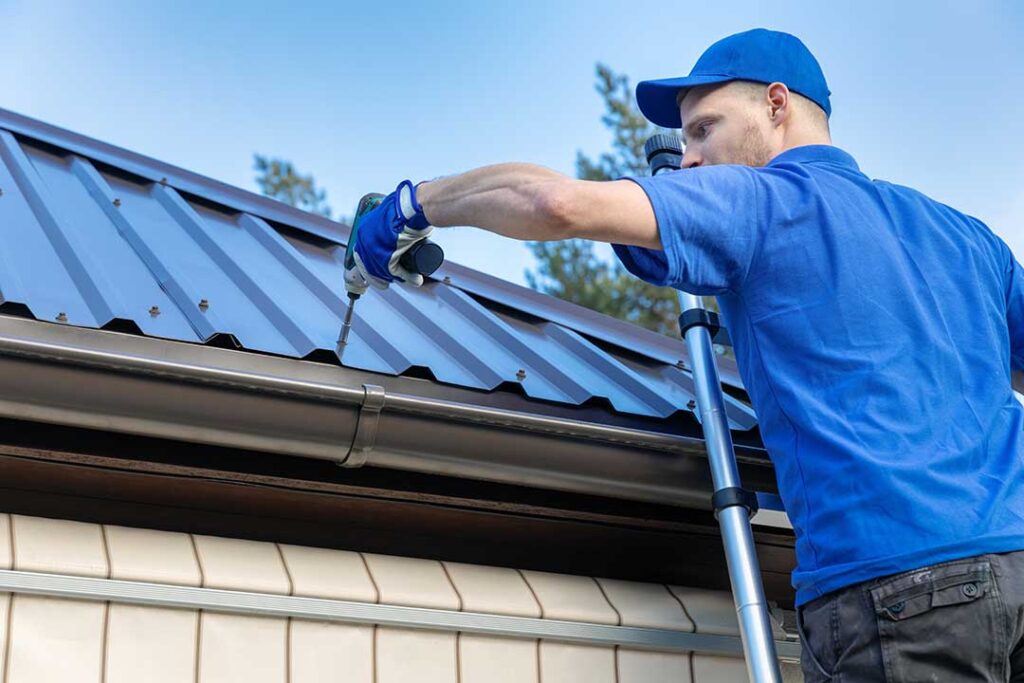
Metal roofs, increasingly popular for their long lifespan, reveal their age more quietly. In Endwell, localized rust is rare on properly installed modern metal roofs but can appear at cut edges, seams, or around fasteners.
Typical signs:
- Fading or chalking: Paint finishes can fade unevenly, especially on south-facing slopes exposed to daily sun.
- Corrosion: Visible rust, especially at fastener heads or where branches have trapped moisture, indicates aging and possible future leaks.
- Loosening panels or seams: Freeze-thaw cycles and high winds can slowly loosen fasteners or locking seams, creating subtle gaps.
- Oil canning: The appearance of ripples or waves in metal panels, while not always a performance issue, often increases as the panels expand and contract year after year.
Residents sometimes mistake surface scratches or minor fade for significant aging, but true wear generally involves a combination of physical damage and coating breakdown.
How Do You Recognize Wear on Slate and Tile Roofs?
Historic homes and select newer builds in Endwell sometimes feature slate or clay tile roofs. While known for longevity, these materials aren’t immune to age.
Look for:
- Cracked, broken, or missing tiles/slates: Heavy snows or sliding ice can dislodge or fracture individual pieces.
- Visible delamination: Slate splitting into thin layers, often due to repeated freeze-thaw cycling.
- Moss and lichen growth: Persistent green, yellow, or orange patches can indicate trapped moisture and slow deterioration.
- Sagging: Aging support structures, more common in homes built before modern building codes, allow the roofline to dip.
Unlike asphalt, a single damaged tile usually won’t cause an immediate leak, but over time water can find its way through these vulnerable spots.
What Does Roof Aging Look Like on Wood Shingles and Shakes?
Wood roofs, less common but present especially on older or custom homes in the area, reveal aging most clearly through changes in color and texture.
Watch for:
- Gray or silver appearance: Wood naturally weathers, but excessive graying can indicate surface erosion.
- Cupping and splitting: Individual pieces curve or crack as protective oils are depleted by the sun and wet weather.
- Moss and fungal growth: Shaded areas are particularly prone after wet spring and fall seasons.
- Noticeable thinning: Shingles worn down by rain, wind, and debris become much thinner than their original size, increasing the risk of breakage.
A common misconception is that all discoloration is a sign of trouble; however, some surface weathering is normal for wood. Active fungal growth or widespread splitting are more serious indicators.
Are Flat Roofs Prone to Unique Aging Signs?
Flat roofs are found on some apartment buildings, schools, and commercial properties in Endwell, as well as certain midcentury homes. These roofs typically use membrane systems like modified bitumen, TPO, or EPDM rubber.
Common aging indicators include:
- Ponding water: Persistent puddles remain 48 hours after rain, which over time weaken seams and adhesives.
- Surface cracking or alligatoring: Membranes develop cracks resembling alligator skin, particularly after repeated sun exposure and cold snaps.
- Blistering: Raised, soft areas in the surface membrane suggest trapped air or moisture.
- Shrinking or pulled seams: The membrane draws away from edges or penetrations (like vents or drains), often visible as gaps or wrinkling.
Flat roofs demand special attention before and after winter since ice dams or drifting snow readily exploit any weak spots.
What Roof Aging Factors Are Easy to Overlook in the Local Climate?
In Endwell, harsh winters, rapid spring thaws, frequent rain events, and densely tree-lined streets all influence roof aging beyond visible surface wear.
- Ice damming: Snow melt and brief warm spells can create ice dams at roof eaves, which force water beneath shingles or into underlayment layers—especially if attic ventilation is poor.
- Gutter clogs: Autumn leaves and spring seed pods quickly fill gutters, leading to water backing up under roof edges.
- Tree debris: Branches overhanging roofs drop leaves, twigs, and shade that slow drying, encouraging moss and lichen.
- Annual weather swings: The cycle of freezing nights and sunny days causes expansion and contraction, hastening material fatigue and decay.
- Attic airflow: Poor ventilation increases rooftop heat in summer and traps moisture year-round, weakening roof components from below.
Recognizing these local risk factors can help residents spot subtle roof issues early—even before visible damage appears.
How Frequently Should You Assess for Roof Aging?
As a general guide, local households benefit from visually inspecting their roofs at least twice a year—once in the spring after snowmelt and again after the leafy fall season. Binoculars or a camera with zoom can help from ground level for steep or multi-story homes.
If you notice a newly developed sag, shifting shingle colors, or any of the signs mentioned for your particular roof type, keeping a seasonal record or set of photos can help track changes over time and support good maintenance decisions.
