
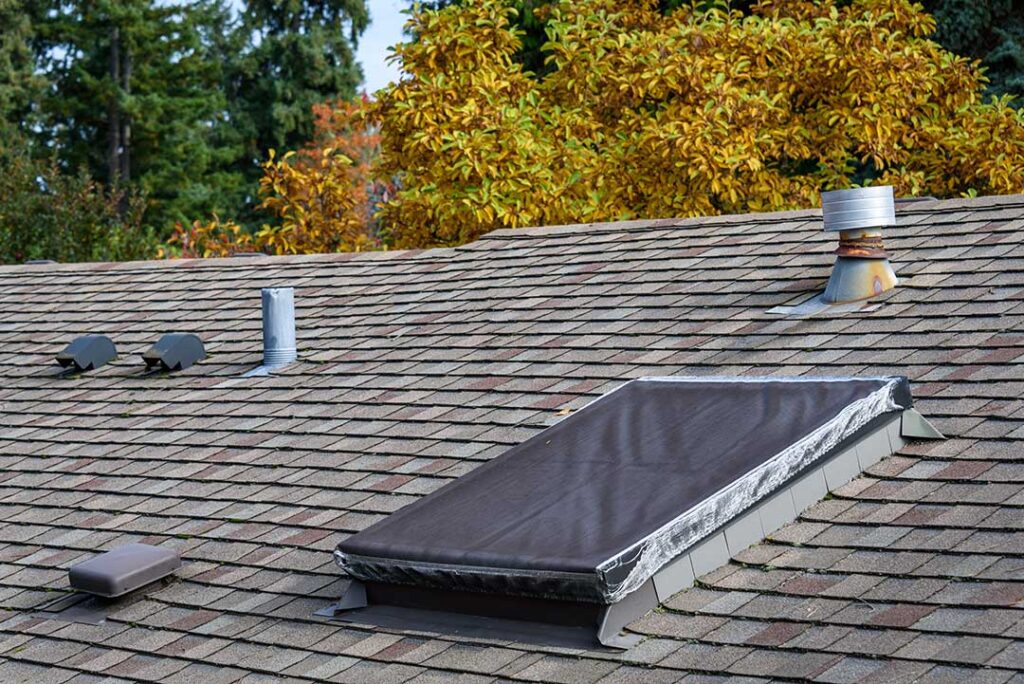
Regular roof maintenance helps identify small problems before they become leaks, structural damage, or expensive interior repairs. For homeowners in Endwell, NY, routine care is especially useful because roofs must handle changing seasons, winter moisture, ice, wind, falling leaves, and repeated freeze-thaw cycles.
A roof does not usually fail all at once. More often, damage develops gradually around shingles, flashing, vents, gutters, chimneys, and roof edges. Periodic inspection and basic upkeep can extend the useful life of the roofing system while making unexpected problems easier to manage.
What does regular roof maintenance include?
Regular maintenance is a planned review of the roof and its related drainage components. It is more than looking up from the yard and checking whether shingles appear straight.
Typical maintenance may include:
- Looking for missing, cracked, curled, or loose shingles
- Checking roof valleys and low-slope areas for trapped debris
- Examining flashing around chimneys, skylights, vents, and wall intersections
- Clearing leaves, twigs, and other debris from areas where moisture can collect
- Inspecting gutters and downspouts for blockages or separation
- Checking attic areas for damp insulation, stains, mold-like growth, or daylight
- Looking for damaged pipe boots, vent covers, and exposed fasteners
- Reviewing areas where tree limbs may rub against or fall onto the roof
Some tasks can be observed from the ground. Others involve ladders, steep slopes, fragile roofing materials, or hidden moisture and may create unnecessary safety risks. A roof inspection should not require someone to walk on a wet, icy, steep, or visibly damaged surface.
How can maintenance prevent leaks?
Maintenance reduces leaks by addressing weak points before water has a chance to enter the building. A small opening around flashing or a damaged shingle may allow only a little water inside at first, but repeated wetting can affect sheathing, insulation, framing, ceilings, and wall finishes.
Water does not always appear directly below the original problem. It can travel along roof decking, rafters, insulation, or interior framing before becoming visible. This is why a ceiling stain may be located several feet away from the actual roof opening.
Common early warning signs include:
- Brown or yellow ceiling marks
- Peeling paint near upper walls or ceilings
- Damp attic insulation
- Musty odors after rain
- Drips around light fixtures or vents
- Shingles with exposed nail heads or lifted edges
- Granules collecting in gutters or at downspout outlets
A stain that dries after a storm should not automatically be considered harmless. Intermittent leaks may only appear during wind-driven rain, melting snow, or a particular wind direction.
Why are seasonal inspections useful in Endwell, NY?
Seasonal changes place different demands on roofing materials. Winter moisture may freeze in small cracks, while spring thawing can reveal damage that was not obvious during colder weather. Summer heat and sunlight can age exposed materials, and autumn debris can interfere with drainage.
A practical maintenance schedule often includes:
- Early spring: Look for winter damage, displaced shingles, damaged flashing, and clogged drainage paths.
- Late summer or early fall: Check for heat-related aging, loose materials, and debris accumulation before colder weather arrives.
- After severe weather: Look for visible changes following strong wind, hail, heavy rain, or falling branches.
- During the year: Watch the attic and upper floors for signs of moisture, especially after storms.
Snow itself is not automatically a roofing emergency. However, heavy accumulation, ice buildup near roof edges, blocked drainage, or repeated leaking deserves closer attention. Removing snow or ice from a roof can damage shingles and create serious fall hazards if done incorrectly.
Can maintenance extend a roof’s service life?
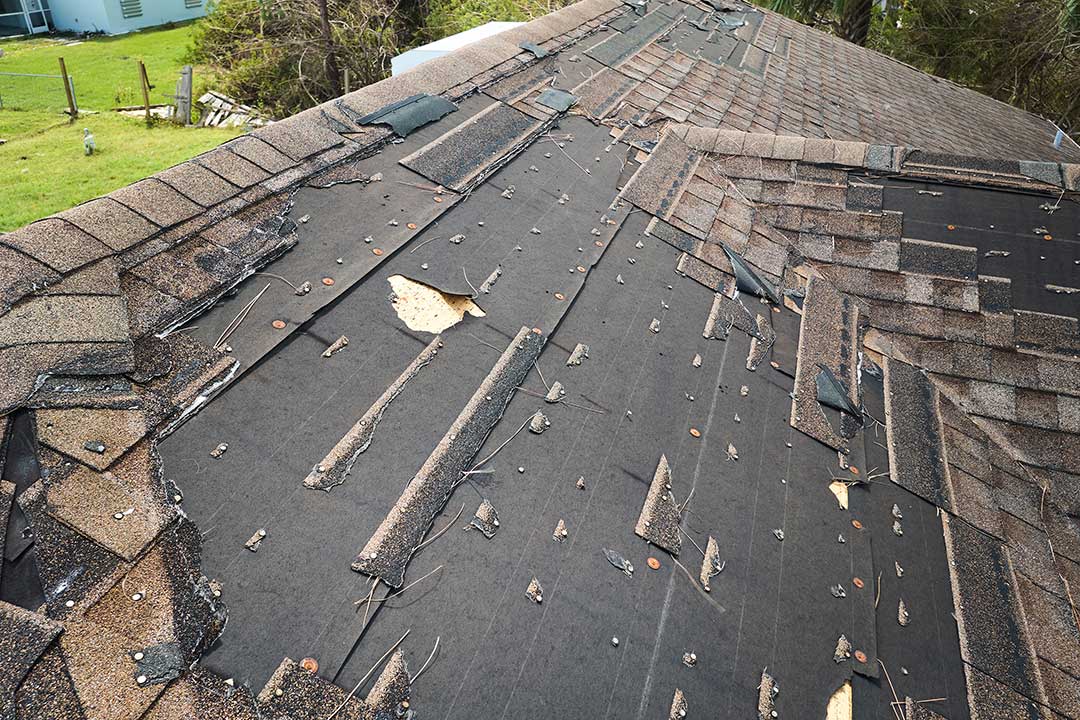
Routine maintenance may help a roof last closer to its expected service life by reducing moisture exposure and preventing minor defects from spreading. It cannot stop normal aging, and it cannot restore roofing materials that have reached the end of their useful life.
The roof’s longevity depends on several factors:
- Original material quality and installation
- Roof slope and drainage design
- Sun exposure and ventilation
- Storm and tree-related damage
- Attic moisture and temperature control
- Frequency of debris removal
- How quickly small defects are addressed
A roof with clean drainage paths and properly maintained flashing is generally better positioned to shed water than one with blocked gutters, accumulated debris, or exposed openings. Maintenance also provides a record of how the roof is changing over time, which helps distinguish normal aging from sudden damage.
What role do gutters and attic ventilation play?
Gutters are part of the roof drainage system, not a separate concern. If gutters are clogged or disconnected, water may spill against fascia boards, siding, foundations, or entry points around the roof edge. In cold weather, poor drainage can also contribute to ice buildup.
Downspouts should direct water away from the building rather than allowing it to collect beside the foundation. Gutters that sag, pull away from the roofline, or overflow in moderate rain may need attention even if the shingles look acceptable.
Attic ventilation and insulation also affect roof performance. Excess indoor moisture can move into the attic and condense on colder surfaces, sometimes creating stains or damp insulation that resemble a roof leak. Inadequate ventilation may contribute to moisture accumulation and uneven temperatures, while poorly sealed attic openings can allow warm, moist air to escape into the roof assembly.
Roof maintenance therefore includes observing the attic, not just the exterior surface.
Does every roof problem require immediate repair?
Not every visible imperfection means the roof is failing, but some conditions should be treated as urgent. Active leaking, a large area of missing roofing, exposed decking, major storm impact, or structural sagging can allow damage to spread quickly.
Less urgent conditions may still deserve tracking, such as a few aging shingles, minor granule loss, surface discoloration, or small areas of moss-like growth. The appropriate response depends on the roof’s age, material, slope, weather exposure, and whether water is entering the structure.
A useful approach is to document changes with dated photographs from safe locations. Comparing the same roof areas over time can reveal whether a defect is stable or worsening.
Which maintenance tasks are safe for homeowners?
Homeowners can often perform ground-level observations, clean accessible gutter sections from a stable position, trim branches that are safely reachable, and inspect attic spaces for moisture signs. Electrical hazards, unstable ladders, icy surfaces, and steep or fragile roofs require particular caution.
Roof access may be unsafe after rain, snow, frost, or wind. Damaged roofs can also contain loose materials that shift underfoot. If a condition cannot be safely observed without climbing onto the roof, leaving it undisturbed is often safer than attempting a close inspection.
Regular roof maintenance is most useful when it is consistent, documented, and matched to seasonal conditions. Small observations—such as a new ceiling stain, overflowing gutter, or displaced shingle—can provide an early warning before a manageable issue becomes damage to insulation, framing, walls, or personal belongings.
