
Which roofing material makes the most sense for homes in Endwell, NY?
The right roofing material depends on more than appearance or advertised lifespan. Roof slope, snow and ice exposure, structural capacity, ventilation, maintenance expectations, and budget all affect whether a material performs well over time.
The local climate brings cold winters, freeze-thaw cycles, wind, rain, and occasional heavy snow. Those conditions make water-shedding, secure installation, durable underlayment, and proper attic ventilation especially important. No roofing material is ideal for every home, but each has a practical place.
Asphalt shingles: the common, adaptable choice
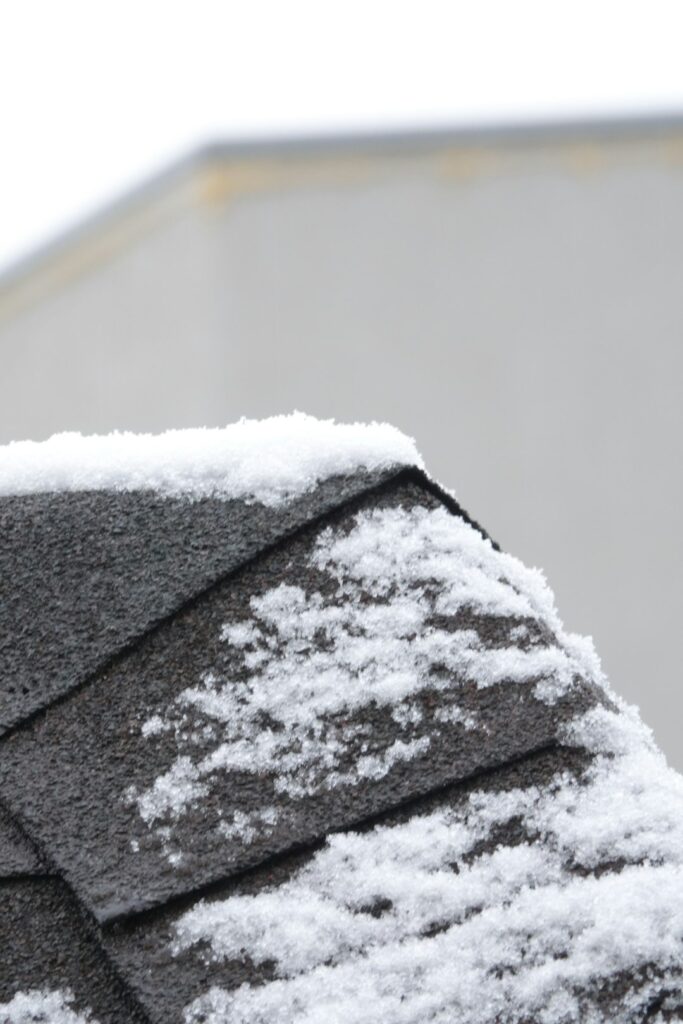
Asphalt shingles remain the most widely used residential roofing material because they are relatively affordable, available in many styles, and suitable for many roof designs.
Advantages include:
- Lower initial cost than most long-life roofing materials
- Compatibility with many roof slopes and architectural styles
- Straightforward repair when individual shingles are damaged
- Broad availability of colors and appearance options
- Relatively low weight compared with tile or natural slate
Architectural asphalt shingles generally provide a more dimensional appearance and stronger wind resistance than basic three-tab shingles. Quality varies, so the product rating, fastening method, underlayment, flashing, and ventilation system matter as much as the shingle label.
Limitations include:
- Shorter service life than metal, slate, or some tile systems
- Granule loss and brittleness can increase after years of sun, cold, and temperature swings
- Ice dams can cause leaks if insulation, air sealing, ventilation, and eave protection are inadequate
- Dark shingles may contribute to higher attic temperatures during sunny weather
- Walking on the roof can damage shingles, especially when they are cold or aging
For many area households, asphalt is a practical balance between initial cost, appearance, and repairability. It is not maintenance-free, however. Missing shingles, exposed nail heads, worn seal strips, and deteriorated flashing should not be ignored.
Metal roofing: long service life with trade-offs
Metal roofing can last substantially longer than standard asphalt shingles when properly selected and installed. Steel and aluminum systems are available in panels or forms designed to resemble traditional shingles.
Advantages include:
- Long expected service life
- Strong resistance to rain, wind, and fire
- Low water absorption and reduced risk of rot
- Lightweight construction compared with tile or slate
- Good performance on many roof shapes
- Reflective finishes that can reduce summer heat gain
Metal roofs are often well suited to homes where long-term durability is more important than the lowest installation cost. Snow may slide from smooth metal surfaces, which can be useful but can also create a hazard above entryways, walkways, or lower roof sections. Snow guards may be needed in those locations.
Potential disadvantages include:
- Higher upfront cost
- Dents from severe hail or falling branches, depending on the metal and finish
- Noise during rain if the roof assembly lacks adequate insulation or decking
- Expansion and contraction that can expose installation weaknesses
- More complicated repairs when panels, seams, or penetrations are damaged
A metal roof should not be judged solely by its material. Panel design, fasteners, seams, flashing, snow management, and the condition of the roof deck all influence performance.
Wood shingles and shakes: attractive but maintenance-sensitive
Wood roofing offers a natural appearance that can suit older homes, cottages, and houses with traditional designs. Shingles are generally more uniform and thinner, while shakes have a rougher, thicker appearance.
The main benefit is visual character. Wood can also provide moderate insulation and may weather attractively when maintained correctly.
The drawbacks are more significant in a cold, wet climate:
- Moisture can encourage rot, mildew, and fungal growth
- Shaded roof areas may dry slowly
- Regular cleaning and treatment may be needed
- Fire resistance varies by product and treatment
- Uneven aging can make repairs more noticeable
- Damaged pieces may be difficult to match years later

Wood roofing requires attention to ventilation, spacing, drainage, and nearby tree cover. It is usually a better fit for homeowners who accept ongoing maintenance rather than those seeking a low-maintenance roof.
Slate: exceptionally durable, but heavy and specialized
Natural slate can last for many decades and often outlives the structure beneath it. It resists rot, insects, and fire, and its appearance changes very little over time.
Its main concerns are weight, cost, and repair complexity. The roof framing must be capable of supporting the material, and replacement may require specialized knowledge. Slate can also crack if walked on improperly or struck by falling debris.
A slate roof is not simply interchangeable with asphalt shingles. Structural capacity, flashing details, fasteners, replacement pieces, and the condition of the underlying deck must all be evaluated as one system. Synthetic slate products are lighter and may be easier to handle, but their appearance, durability, and repair characteristics vary.
Clay and concrete tile: durable but often impractical for older homes
Clay and concrete tiles are resistant to fire, insects, and decay. They can provide a long service life and may perform well in strong sunlight and heavy rain.
Their biggest limitation is weight. Many existing homes are not framed for tile without structural changes. Tiles can also crack from impact, freeze-thaw stress, or improper foot traffic. Repairs may be more involved because the visible tile is only one part of the roofing system; underlayment and flashing are critical to keeping water out.
Tile is usually considered during new construction or major renovations where the structure, roof pitch, and supporting details can be designed for it.
What about flat or low-slope roofs?
Low-slope sections need materials designed for limited drainage. Traditional steep-slope shingles are often not appropriate because water may remain on the surface longer.
Common options include modified bitumen, single-ply membranes, and other low-slope systems. These can work well when seams, edges, drains, penetrations, and flashing are carefully detailed.
The most frequent problems on low-slope roofs are ponding water, clogged drains, failed seams, and poorly sealed penetrations. Regular inspection is particularly useful because a small drainage problem can affect a large roof area.
How should homeowners compare roofing materials?
A useful comparison looks beyond the material price. Consider:
- Roof slope: Some materials require a minimum pitch for reliable drainage.
- Structural capacity: Slate and tile may require framing review because of their weight.
- Snow and ice management: Smooth materials can shed snow suddenly, while every roof needs appropriate eave protection in areas vulnerable to ice backup.
- Repair access: A material that lasts a long time may still be difficult or expensive to repair.
- Ventilation: A durable outer covering cannot compensate for trapped heat and moisture in the attic.
- Roof geometry: Valleys, dormers, skylights, chimneys, and wall intersections increase flashing requirements.
- Future plans: A lower-cost roof may make sense for a property likely to be sold soon, while a long-life material may better fit a long-term residence.
- Total system condition: Decking, underlayment, flashing, drip edges, insulation, and ventilation matter as much as the visible covering.
New York’s residential building requirements address roof assemblies, snow loads, ice barriers, and related construction details. Requirements can vary with the scope of work and the existing structure, so major changes or heavier materials may involve code and structural considerations.
For most homes in the community, the practical decision usually comes down to balancing initial cost, expected service life, maintenance tolerance, and the building’s ability to handle winter conditions. A material that suits the roof design and is installed as a complete water-management system will generally outperform a more expensive material chosen only for appearance.
