
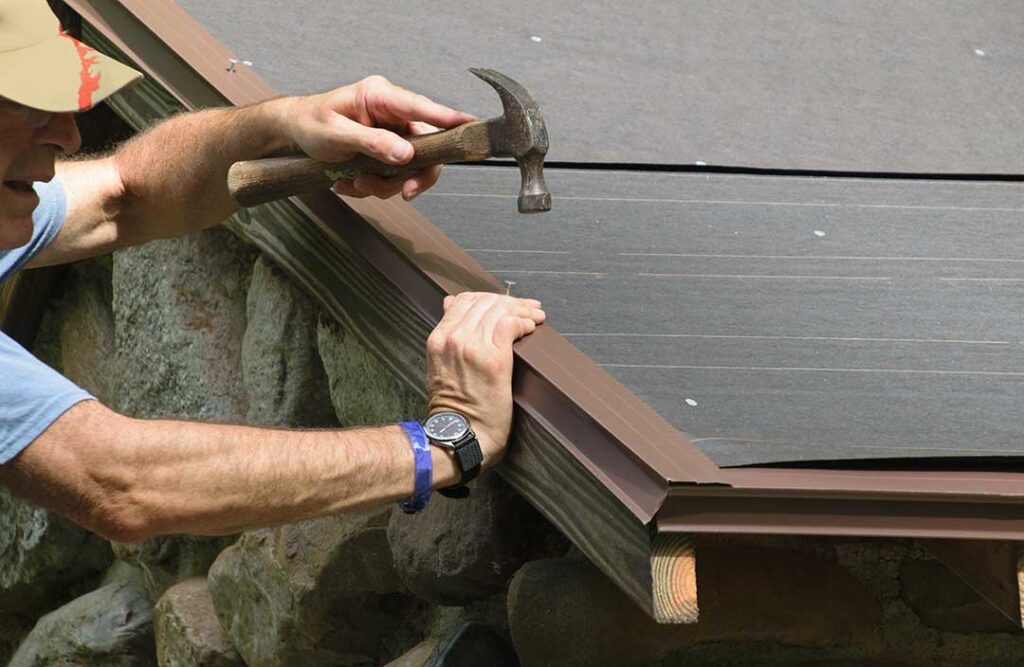
Roof leaks rarely begin with a dramatic stream of water. More often, moisture enters through a small weakness, travels along roof framing or insulation, and eventually appears as a ceiling stain, damp wall, peeling paint, or musty odor. In Endwell, NY, seasonal rain, snow, ice, wind, and repeated temperature changes can expose several different roof vulnerabilities.
Understanding the likely cause helps residents respond appropriately and avoid mistaking a symptom for the actual source.
What are the most common causes of roof leaks?
The most common causes are damaged shingles, aging roofing materials, failed flashing, blocked drainage, ice dams, and problems around roof openings. Poorly sealed penetrations and damage from wind or falling branches can also allow water to enter.
Damaged or missing shingles
Roofing shingles protect the layers beneath them from rain and melting snow. A shingle may crack, curl, blister, loosen, or disappear entirely after years of weather exposure or during a strong wind event.
Damage is not always easy to see from the ground. Warning signs may include:
- Shingle pieces in the yard or gutters
- Uneven patches on the roof
- Dark areas where the protective surface has worn away
- Exposed underlayment or roof decking
- Water stains that appear after wind-driven rain
A roof can leak even when only one or two shingles are affected. Water may enter near the damaged area and travel sideways before becoming visible indoors.
Worn-out roofing materials
Age-related deterioration is another frequent source of leaks. Roofing materials gradually lose flexibility and protective granules. As they become brittle, they are less able to handle movement caused by freezing, thawing, heat, and moisture.
Older roofing may show widespread curling, granule loss, cracked seal strips, or exposed fasteners. In these situations, replacing one visibly damaged area may not address the broader condition of the roof.
Why do flashing and roof joints leak?
Flashing is the material installed around roof joints and penetrations to direct water away from vulnerable seams. It is commonly found around chimneys, vent pipes, skylights, roof-to-wall transitions, and sections where different roof planes meet.
Flashing can leak when it:
- Pulls away from the surface
- Corrodes or develops holes
- Cracks at seams
- Loses its sealant
- Was installed incorrectly
- Is damaged by snow, ice, wind, or maintenance work
Roof joints deserve special attention because water naturally collects or changes direction in these areas. A ceiling stain near a chimney or exterior wall does not necessarily mean the entire roof is failing; the problem may be limited to a flashing detail.
Can clogged gutters cause a roof leak?
Yes. Clogged gutters and downspouts can contribute to roof leaks by slowing drainage and allowing water to back up beneath the roof edge. Leaves, twigs, shingle granules, and ice can restrict the flow of water, especially during heavy rainfall or spring thaw.
Overflowing gutters may also soak fascia boards, soffits, siding, and areas around roof edges. Over time, repeated moisture exposure can damage wood and create openings for water to enter.
Gutter problems are more likely to affect the roof edge than the center of the roof, but indoor water may appear some distance away from the original entry point. Keeping drainage paths clear is useful, but gutters are not the only possible source of a leak.
How do ice dams lead to water intrusion?
Ice dams form when snow melts on a warmer section of the roof and refreezes near a colder eave. The resulting ridge of ice can block normal drainage. Water may then collect behind the dam and work beneath shingles or into roof edges.
This problem is more likely during cycles of snow, daytime warming, and nighttime freezing. Areas with insufficient attic insulation or poor ventilation may experience uneven roof temperatures, increasing the chance of ice dam formation.
Signs may include:
- Icicles along the roof edge
- Water stains near exterior walls or ceilings
- Damp insulation in the attic
- Peeling paint near upper-floor windows or walls
- Repeated leaks during snowmelt
Large ice formations should not be knocked down from a ladder. Falling ice can injure people, damage property, and harm roofing materials.
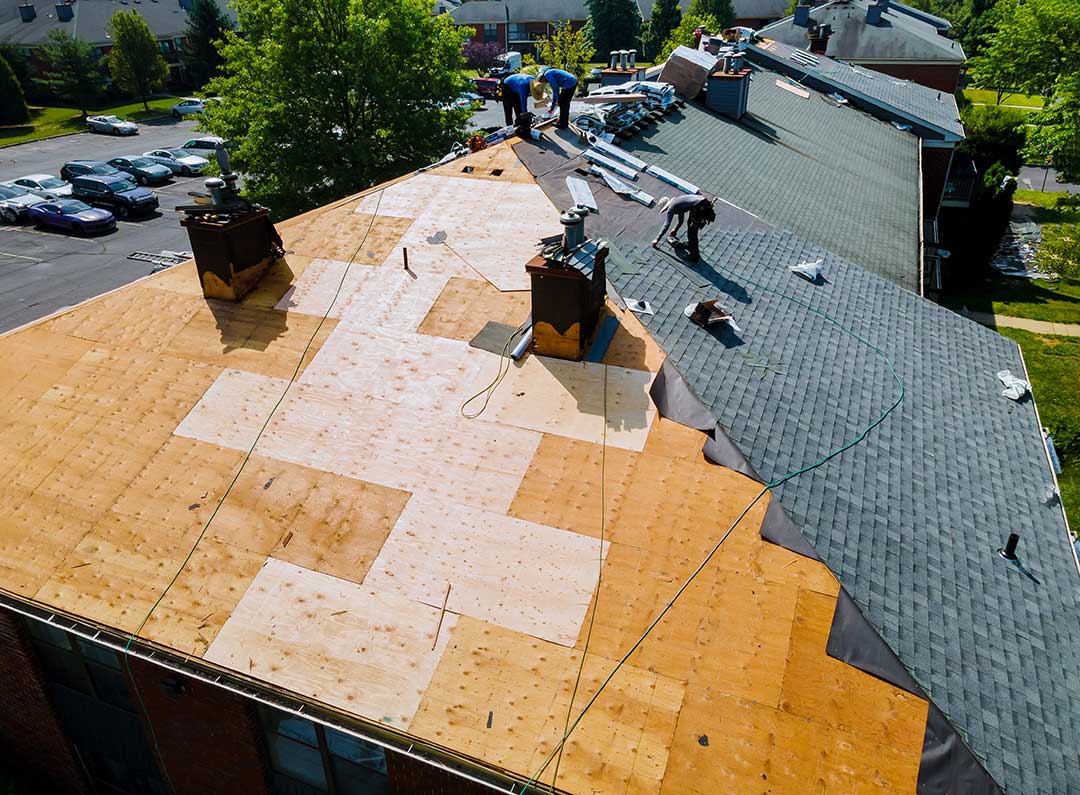
Do roof penetrations create leak risks?
Any opening through a roof creates a potential weak point. Plumbing vent pipes, exhaust vents, skylights, antennas, and other penetrations must be sealed and flashed correctly.
The rubber or metal collar around a vent pipe can become cracked or loose. Sealants can dry out and separate from the surrounding material. A vent may remain functional while still allowing water around its base.
Leaks from penetrations often appear as isolated ceiling stains, particularly in bathrooms, kitchens, hallways, or upper-floor rooms. However, water can travel along rafters or plumbing before appearing below, so the visible stain may not be directly beneath the penetration.
Can attic ventilation problems cause leaks?
Poor attic ventilation does not always create a direct opening for rain, but it can contribute to moisture problems that resemble or worsen roof leaks. Warm, humid air from the living space may enter the attic through gaps around light fixtures, ducts, wiring, or access panels.
If that air meets cold roof surfaces, condensation can form. The resulting moisture may dampen insulation, stain wood, or drip onto ceilings. During cold weather, condensation can also contribute to frost buildup that later melts.
A roof leak generally introduces water from outside, while condensation comes from indoor moisture. Telling the difference may require looking at timing, weather conditions, insulation, and attic surfaces.
What other damage can cause a roof to leak?
Several less obvious conditions may allow water inside:
- Fallen branches can puncture shingles or crack decking.
- Wind can lift shingle edges and break their seals.
- Animals may damage roof edges, vents, or soft wood.
- Foot traffic can crack brittle shingles or loosen protective granules.
- Improperly attached satellite equipment, holiday decorations, or other fixtures can create holes.
- Deteriorated roof decking can weaken beneath otherwise ordinary shingles.
- Snow removal tools can scrape or puncture the roof surface.
Repairs made with excessive sealant may hide a problem temporarily without restoring proper water drainage. Sealant is not a substitute for sound flashing, intact roofing, and correctly installed materials.
Why does a leak appear in a different place than the entry point?
Roofing systems contain several layers, and water follows gravity. It can move along underlayment, roof decking, rafters, trusses, insulation, plumbing, and electrical pathways before reaching a ceiling.
For example, a stain near an interior wall may originate from a roof valley or flashing detail several feet away. A damp spot around a light fixture may reflect water traveling through framing rather than a problem with the fixture itself.
The timing of the leak provides useful information. Water that appears only during wind-driven rain may point to exposed flashing or lifted shingles. A leak that occurs during snowmelt may suggest an ice dam, blocked drainage, or a roof-edge problem.
What should residents do after noticing a roof leak?
First, protect people and belongings. Place a container under active dripping, move furniture or electronics, and avoid touching wet electrical fixtures. If water is near a light, outlet, or electrical panel, use caution and arrange for the affected circuit to be handled safely.
Record when the leak occurs and what the weather was like. Photographs of stains, damaged materials, attic moisture, or exterior debris can help identify patterns. Do not climb onto a wet, icy, or steep roof to investigate. Roof surfaces can be hazardous even when damage appears minor.
A small stain should not automatically be ignored. Water can damage insulation, framing, drywall, paint, and indoor air quality materials long before the ceiling visibly worsens. Prompt attention is especially appropriate when the leak is active, spreading, associated with sagging drywall, or located near electrical components.
