
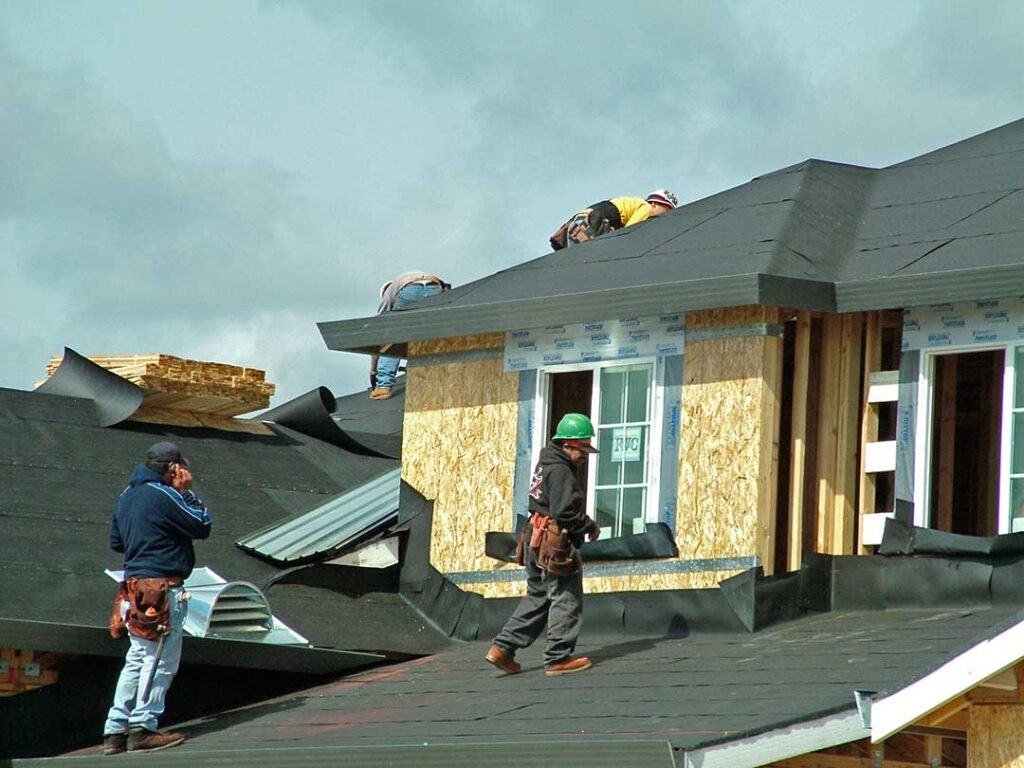
A roof inspection is a careful review of roofing materials, flashing, drainage, ventilation, and visible signs of water entry. For homeowners in Endwell, NY, inspections are especially useful after winter weather, heavy rain, strong winds, or any event that may have affected the roof.
An inspection does not automatically mean a roof needs replacement. Its purpose is to identify current conditions, explain likely causes of damage, and help a homeowner decide whether monitoring, maintenance, or repair is appropriate.
What does a roof inspection include?
A complete inspection examines more than the shingles visible from the ground. The inspector typically evaluates the roof surface, edges, penetrations, drainage areas, and accessible attic spaces.
Common inspection points include:
- Shingles or other roof coverings: Missing, cracked, curled, blistered, loose, or heavily worn materials
- Flashing: Metal or membrane installed around chimneys, vents, skylights, walls, and roof transitions
- Roof valleys: Areas where water flows from two slopes and where debris or damaged materials can lead to leaks
- Gutters and downspouts: Blockages, poor drainage, loose attachments, or water overflowing near the foundation
- Roof penetrations: Plumbing vents, exhaust vents, satellite mounts, and other openings that require sealed transitions
- Ridge and soffit ventilation: Conditions that may contribute to excess heat or moisture in the attic
- Attic surfaces: Damp insulation, staining, mold-like growth, daylight through the roof deck, or signs of animals
- Structural concerns: Sagging areas, uneven roof lines, or soft decking where visible and safely accessible
A roof inspection is different from a quick visual check. It considers how individual components work together to shed water and protect the structure.
When should a homeowner schedule an inspection?
Most homes benefit from a roof inspection at least once every few years, even if no leak is visible. A more timely review is sensible after a severe weather event or when a change in the roof’s appearance suggests a problem.
Useful times for an inspection include:
- After strong wind, hail, heavy snow, or fallen branches
- After discovering water stains on ceilings or upper walls
- Before buying or selling a home
- Before planned attic insulation or ventilation work
- When the roof is approaching the later part of its expected service life
- After repeated gutter overflow or ice buildup along the eaves
- Following repairs to chimneys, siding, skylights, or other roof-adjacent features
Seasonal weather in Endwell includes freezing temperatures, snow, ice, rain, and freeze-thaw cycles. These conditions can expand small cracks, loosen materials, and expose weak points that were not noticeable during warmer months. An inspection after winter can reveal damage before spring and summer rainfall makes it worse.
Can a homeowner inspect the roof safely?
A homeowner can perform a useful ground-level check, but climbing onto a roof introduces fall hazards and can damage roofing materials. Wet shingles, moss, frost, steep slopes, and soft decking make roof access particularly risky.
From the ground, look for:
- Missing or visibly displaced shingles
- Dark patches, exposed underlayment, or uneven rows
- Sagging sections along the roof plane or ridge
- Damaged flashing around chimneys, vents, and roof-wall intersections
- Granules collecting in gutters or at downspout outlets
- Branches, moss, or other debris resting on the roof
- Gutters pulling away from the fascia
- Daylight or dampness visible in an accessible attic
Binoculars can help with a ground-level review. Attic checks should be performed only where flooring is stable and access is safe. Insulation can hide weak areas, and stepping between ceiling joists may result in injury or damage to the ceiling below.
What roof problems are easy to overlook?
Some serious roof issues do not produce an immediate ceiling leak. Water may travel along rafters, sheathing, insulation, or wall framing before appearing inside the home. A small stain may therefore be located some distance from the actual entry point.
Other overlooked concerns include:
Damaged flashing
Flashing is often more vulnerable than the surrounding shingles. Sealant can shrink or separate, metal can corrode, and poorly fitted pieces can allow water behind the roof covering. Flashing problems commonly occur around chimneys, plumbing vents, skylights, and changes in roof direction.
Poor attic ventilation
Ventilation problems can contribute to moisture accumulation, condensation, and uneven roof temperatures. During cold weather, warm indoor air entering the attic may condense on colder surfaces. In summer, excess heat can accelerate material aging and increase indoor discomfort.
Ice dam evidence
Ice dams form when melting snow refreezes near colder roof edges. They can force water beneath roofing materials and damage gutters, fascia, insulation, and interior finishes. Even after the ice is gone, staining or deteriorated materials may remain.
Roof-to-wall transitions
Where a sloped roof meets a vertical wall, water must be directed away through carefully installed flashing and drainage details. These transitions can leak even when the open roof field appears to be in good condition.
Subtle structural movement
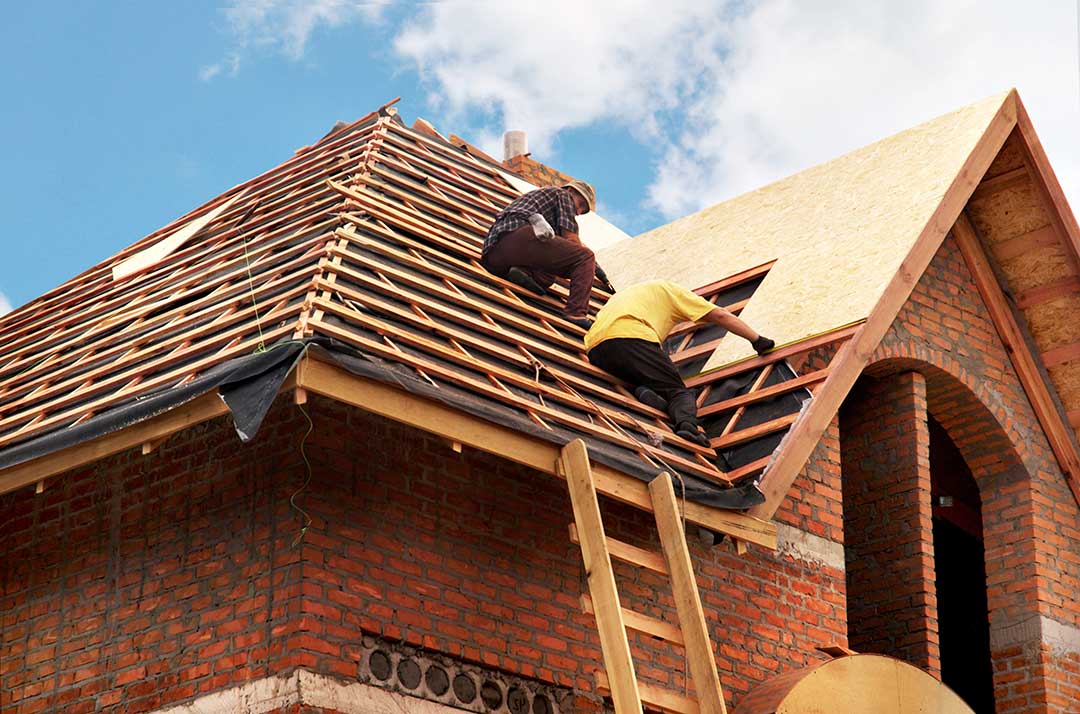
A slight dip may indicate deteriorated decking, long-term moisture exposure, or framing movement. A roof does not need to collapse for structural changes to deserve attention.
What is the difference between an inspection and an estimate?
An inspection describes the roof’s condition. An estimate describes the expected cost of proposed work. These are separate steps.
A useful inspection report should identify:
- The location and type of observed problem
- Whether the issue appears active, aging, or historical
- The likely cause, if it can be determined
- Whether the concern affects roofing materials, drainage, ventilation, or structure
- Recommended priority, such as immediate attention, routine maintenance, or monitoring
- Areas that could not be inspected because of access or safety limitations
No inspection can guarantee that every concealed defect will be found. Roofing layers, insulation, snow cover, and inaccessible sections may limit visibility. Clear documentation should distinguish observed facts from assumptions.
How can inspection findings be prioritized?
Not every defect requires the same response. A missing shingle, a blocked downspout, and a sagging roof section represent different levels of concern.
Immediate safety or water-entry concerns
These may include active leaks, exposed decking, large damaged areas, major sagging, loose materials that could fall, or electrical hazards related to water intrusion. The affected area should be kept clear, and temporary measures may be needed until the condition is properly addressed.
Maintenance concerns
Examples include leaves in valleys, minor gutter blockages, deteriorated sealant, or limited moss growth. These conditions may not be emergencies, but allowing them to continue can increase the chance of damage.
Monitoring concerns
Some older materials show wear without failing immediately. A documented baseline, photographs, and a follow-up review can help determine whether deterioration is stable or accelerating.
What should homeowners ask after an inspection?
Homeowners should be able to understand what was observed without relying on technical terms alone. Helpful questions include:
- Where exactly is the concern located?
- Is there evidence of active water entry?
- Could the visible problem be caused by a different area of the roof?
- Are the attic, gutters, flashing, and roof penetrations included in the findings?
- Which issues require prompt attention?
- What conditions should be watched over time?
- Were any areas inaccessible or hidden?
- Are photographs available to show the condition?
Keeping inspection notes and dated photographs can help track changes from season to season. That record is also useful when comparing a new concern with earlier conditions.
A roof inspection is most valuable when it produces a clear understanding of what the roof is doing, where its vulnerable points are, and how serious each finding may be. For local homes exposed to snow, ice, wind, rain, and repeated temperature changes, regular observation can identify manageable problems before they become concealed moisture or structural damage.
