
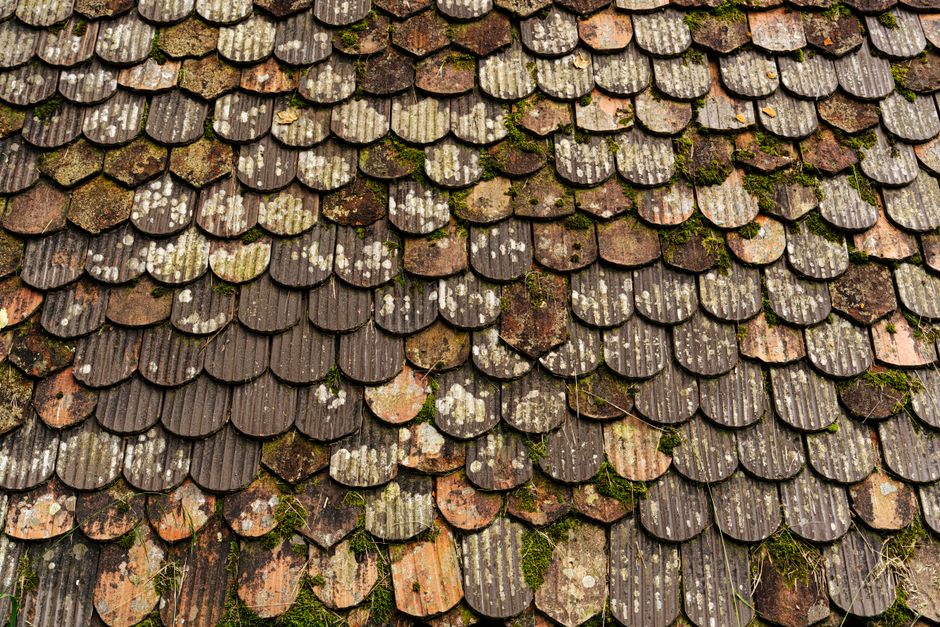
Roof discoloration is not always mold or mildew. Dark streaks, green patches, and fuzzy growth can also come from algae, embedded dirt, decaying leaves, or normal aging. Learning to distinguish these conditions helps residents of Endwell, NY decide what can be monitored, what needs cleaning, and what may signal a moisture problem.
What does mold or mildew look like on a roof?
Mold and mildew usually appear as irregular patches or streaks in areas that stay damp and receive limited sunlight. Their color may range from white and gray to green, brown, or black. Texture can vary from a thin film to a fuzzy, powdery, or slightly raised surface.
Common signs include:
- Dark or greenish patches that appear thicker than ordinary staining
- Fuzzy growth along shingle edges, in roof valleys, or beneath overhanging branches
- A musty odor near attic vents or roof access areas
- Discoloration that returns after rain or routine cleaning
- Growth concentrated where leaves, pine needles, or other debris collect
- Soft, deteriorated wood near roof edges, skylights, chimneys, or penetrations
Mildew is generally a surface growth, while mold may extend deeper into damp materials. The two can look similar from the ground, so appearance alone does not always identify the exact organism.
How can roof mold be distinguished from algae?
Blue-green or black roof streaks are often algae rather than mold. Algae commonly spreads in long, narrow streaks down sloped shingles, while mold and mildew are more likely to form uneven patches or clustered growth.
Algae may not have a fuzzy texture or noticeable odor. It can still hold moisture against the shingle surface and make the roof look aged, but it is not the same as mold growing on damp wood or insulation.
A few visual clues can help:
- Algae: flat streaks, usually blue-green, gray, or black
- Mildew: lighter-colored surface growth, often powdery or patchy
- Mold: irregular, sometimes fuzzy growth associated with persistent dampness
- Moss: raised green clumps with a soft, carpet-like appearance
These conditions can overlap. A roof may have algae on the shingles, moss in shaded areas, and mold or mildew on nearby wood or underlayment.
Where does roof mold usually begin?
Roof growth often starts where moisture remains trapped. Shaded roof slopes, valleys, roof-wall intersections, and areas beneath trees are common starting points.
In Endwell, seasonal rain, snow, leaf fall, and freeze-thaw cycles can create repeated wetting and drying. Snow or ice may also linger longer on shaded sections. If ventilation is limited or debris blocks drainage, damp conditions can persist after the visible roof surface appears dry.
Inspect these areas carefully:
- Roof valleys where water and debris naturally collect
- Around plumbing vents, chimneys, skylights, and roof windows
- Beneath overhanging tree limbs
- Along eaves and gutters
- Near damaged or lifted shingles
- Around attic vents and areas with visible condensation
- On roof sections that receive little direct sunlight
Growth at a single location may point to a localized moisture source. Growth across several roof planes may indicate broader shade, ventilation, or drainage conditions.
Can mold inside the attic be connected to the roof?
Yes. Mold or mildew in an attic may be related to roof leaks, condensation, or inadequate air movement. The roof itself may not show obvious damage from the ground.
Look for:
- Dark stains on roof sheathing
- Damp or compressed insulation
- Rusted nails or metal fasteners
- Water marks around vents or penetrations
- Musty odors
- Peeling or discolored wood
- Frost on roof framing during cold weather
Condensation can occur when warm, moist indoor air reaches cold roof sheathing. Bathroom moisture, kitchen steam, clothes drying indoors, and unsealed attic openings can all contribute. A roof leak and an attic condensation problem can look similar, so the location and timing of stains matter.
Fresh moisture after rainfall may suggest a leak. Moisture that appears during very cold weather, especially without rain, may be more consistent with condensation.
Is every black roof stain dangerous?
No. Many black stains are caused by algae, weathering, or accumulated dirt rather than harmful mold. A stain on asphalt shingles does not automatically mean that mold has entered the living space.
Concern is greater when discoloration is accompanied by:
- Soft or deteriorating roof decking
- Persistent dampness
- Interior ceiling stains
- Peeling paint or bubbling drywall
- A strong musty smell
- Visible growth on attic insulation or framing
- Repeated moisture after the roof has dried
Avoid relying only on color. Black mold is not a precise visual diagnosis, and color does not determine whether a substance is hazardous.
How should a homeowner inspect a roof safely?
A roof inspection should begin from the ground and from accessible interior areas. Walking on shingles can cause damage, especially when they are wet, cold, brittle, steeply sloped, or covered with moss.
From the ground, use binoculars to check for dark streaks, raised growth, debris buildup, missing shingles, and sagging areas. Inside the attic, use a flashlight and look for staining, damp insulation, and changes in the wood surface.
Do not climb onto a roof when:
- The surface is wet, icy, snowy, or heavily moss-covered
- The roof is steep or difficult to access
- There are overhead wires nearby
- The roof structure appears sagging or damaged
- Safe ladder placement is not possible
Mold cleanup can also disturb spores. People with asthma, allergies, weakened immune systems, or other respiratory sensitivities should avoid disturbing suspected growth.
What should not be used to remove roof growth?
Pressure washing is generally a poor choice for asphalt shingles. High-pressure water can strip protective granules, loosen shingles, force water beneath roofing materials, and damage flashing or seals.
Harsh household chemicals can create additional problems. Chlorine-based products, strong solvents, and abrasive scrubbing may damage roofing, harm nearby plants, corrode metal, or wash into stormwater systems. Never mix cleaning chemicals.
If cleaning is appropriate, the method should match the roofing material and the type of growth. Some roofs are more sensitive than others, and cleaning alone will not solve an active leak, poor ventilation, or recurring debris problem.
When does roof growth indicate a larger problem?
Visible mold or mildew deserves closer attention when it keeps returning, appears near damaged materials, or is connected with interior moisture. Recurring growth usually means the underlying conditions have not changed.
A qualified roof or building professional may be needed when there is:
- Active leaking
- Structural sagging
- Damaged roof decking
- Extensive attic mold
- Widespread growth across roofing materials
- Suspected lead-based paint, asbestos-containing materials, or contaminated insulation
- A need to work at height or use specialized protective equipment
The goal is not simply to remove the visible discoloration. The lasting solution depends on controlling the moisture source, improving drainage or ventilation where appropriate, and replacing materials that have deteriorated.
How can roof mold and mildew be prevented?
Prevention focuses on keeping roofing materials dry and allowing water to leave the roof efficiently.
Useful maintenance includes:
- Keep gutters and downspouts clear of leaves and shingle debris
- Trim branches that shade the roof or drop organic material
- Watch for blocked valleys and buildup near roof penetrations
- Check the attic for condensation during cold weather
- Keep bathroom and kitchen exhaust vents directed outdoors
- Avoid storing damp materials against attic framing
- Inspect roof surfaces after severe storms and heavy snow seasons
- Address damaged flashing or missing shingles before moisture spreads
A clean-looking roof is not necessarily a healthy roof. The most meaningful warning signs are persistent dampness, deteriorating materials, interior water marks, and growth that returns in the same location.
