

Can Your Roof Affect Indoor Allergens?
A roof does more than keep out rain and snow—it's a key factor in controlling indoor air quality. In a place like Endwell, NY, where homes experience a mix of wet seasons, cold winters, and heavy pollen in spring, the state of a roof can have a significant impact on allergy triggers indoors. Damaged or aging roofs often allow moisture, mold spores, outdoor pollutants, and plant debris to enter, creating conditions where allergens thrive. Installing a new roof, particularly one that corrects previous vulnerabilities, is one step residents can take to create a healthier home.
What Types of Allergens Can Enter Through a Roof?
Most residents think of windows and doors as main entry points for allergens, but a compromised roof can contribute just as much to indoor air quality problems. Common allergens that can enter or flourish due to an old or leaking roof include:
- Mold spores: Moisture leaks lead to mold growth on attic wood, insulation, or ceiling materials.
- Pollen: Gaps or damaged flashing allow fine plant particles to drift inside.
- Dust mites: Damp insulation attracts dust mites, which are major indoor allergens.
- Animal dander: Small roof openings can invite squirrels, mice, or birds, which leave droppings and dander behind.
In climates like Endwell's, with snowmelt in spring and humidity in summer, these problems often become worse without a watertight roofing system.
How Does Installing a New Roof Help Control Moisture and Mold?
A properly installed new roof keeps rain, melting snow, and humid outside air from reaching insulation and wooden roof decking. This prevents the buildup of excess moisture, which is the main ingredient for mold growth—a major trigger for allergies and asthma.
- Modern roofing materials and installation techniques use advanced flashing, ridge vents, and watertight seals at joints.
- Replacing damaged underlayment or rotten wood addresses hidden leaks and sources of moisture absorption.
- Improved attic ventilation, often included during roof replacement, helps vent humid air and keep attics dry.
Even a small, slow leak can be enough to maintain dampness in insulation or attic spaces, creating a tough-to-remove source of mold spores. A new roof that keeps these spaces dry will, over time, greatly reduce airborne fungal particles entering living areas.
What Role Does Roofing Play in Keeping Out Pollen and Outdoor Pollutants?
Older roofs often have loose shingles, crevices, or failing seals that allow fine particles, like pollen or dust, to infiltrate attic spaces and spread through ceiling openings into the home. In communities like Endwell, where spring pollen counts can be high, this can aggravate seasonal allergies for weeks at a time.
A new roof is built to be tightly sealed against the elements:
- Modern shingles or metal panels are installed with attention to overlapping joints.
- Flashing around chimneys, vents, and skylights offers extra protection against gaps.
- Upgraded soffits and ridge vents are screened to prevent pollen and dust from blowing inside while still allowing roof ventilation.
By sharply limiting how much outside air (and the particles it carries) enters the attic, a new roof acts as a passive air barrier.
Does a New Roof Help with Insulation and Dust Control?
Roofing projects often involve updating attic insulation. In many older homes, insulation has become packed, dirty, or even moldy due to prior leaks. During new roof installation, these materials may be replaced or supplemented.
- Clean, dry insulation helps control humidity, reducing dust mite populations.
- Airtight construction techniques stop attic dust from filtering through ceiling fixtures or cracks.
- The use of insulation with vapor barriers can prevent warm, damp air from entering the roof cavity.
With less dust and less opportunity for dust mites and other allergens to thrive, residents may see a notable improvement in indoor air quality.
What Mistakes During Roof Work Might Worsen Allergy Issues?
Not all roofing projects lead to better air quality if performed incorrectly. If installation is rushed or corners are cut, gaps may still allow moisture or particles inside. Some important reminders for area homeowners:
- Skipping damaged wood replacement lets hidden mold remain.
- Improper vent installation can trap humid air instead of removing it.
- Downplaying attic cleanup after roof work risks leaving behind dust and biological debris disturbed during demolition.
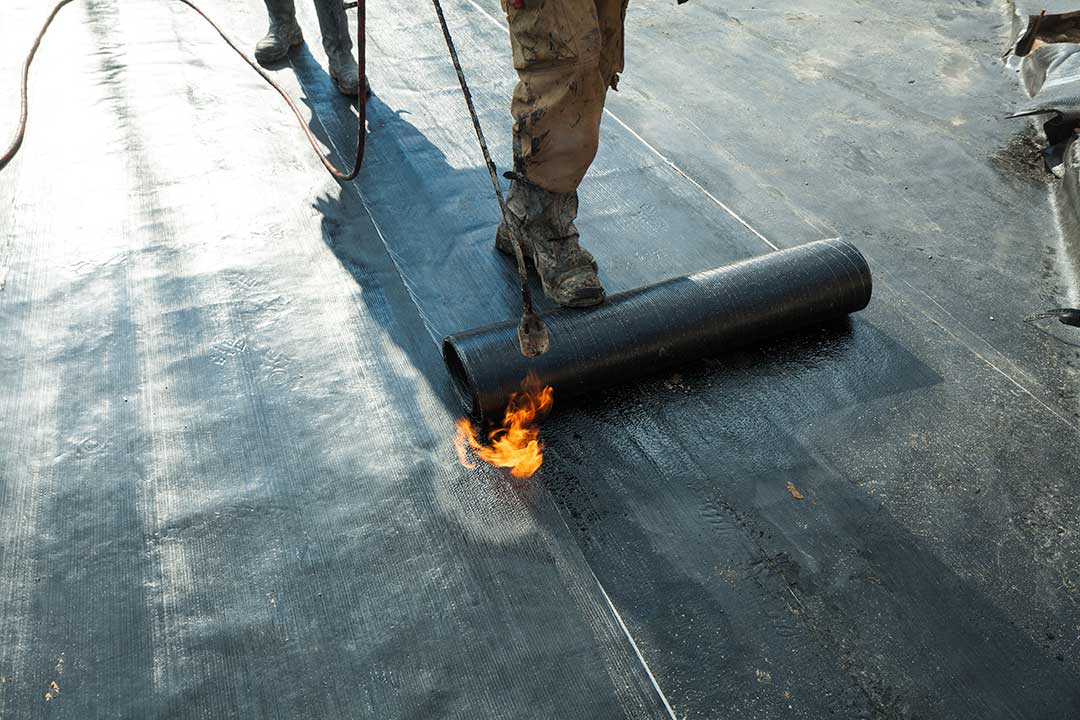
For families sensitive to allergens, it's wise to discuss these concerns with anyone working on a roof and to ask about how attic cleanup and ventilation will be handled as part of the process.
Are Certain Roofing Materials Better for Allergen Control?
While the type of roofing material matters less than its installation quality, some modern options offer added benefits for households managing allergies:
- Metal roofs are naturally resistant to mold and less likely to trap debris.
- Asphalt shingles now commonly include mold-resistant coatings and improved seals.
- Synthetic underlayments offer better moisture resistance than traditional felt pads.
However, in Endwell's climate, the crucial issue is creating a continuous, watertight barrier and ensuring the attic can breathe properly. Durable materials combined with correct installation will offer the best performance for keeping allergens at bay.
How Can Residents Tell If Their Roof Is Affecting Indoor Allergies?
Many allergy sources overlap, making it difficult to pinpoint a single cause. Still, some signs suggest that an outdated or failing roof could be contributing:
- Sudden increases in allergy symptoms after heavy rain or snowmelt
- Noticeable musty odors in rooms below the attic, or visible staining on ceilings
- Chronic dampness or condensation found in attic insulation
- Increased dust accumulation after windy days, despite normal cleaning
- Wildlife presence in the attic or unexplained debris near roof openings
If these issues are spotted, evaluating the roof’s condition is a reasonable next step when seeking healthier indoor air.
When Does Replacing a Roof Make a Difference for Allergies?
While daily cleaning and air filtration are important, replacing an aging or damaged roof can address a root cause of recurring indoor allergens in many homes. In cities like Endwell, roofs face freeze-thaw cycles, wind, and pollen-laden storms that can wear away protective barriers over time.
For households struggling with persistent musty odors, mold spots, or unexplained allergy flare-ups, a new roof represents a direct solution to moisture, mold, and outdoor particle infiltration—improving comfort and health in every season.
