
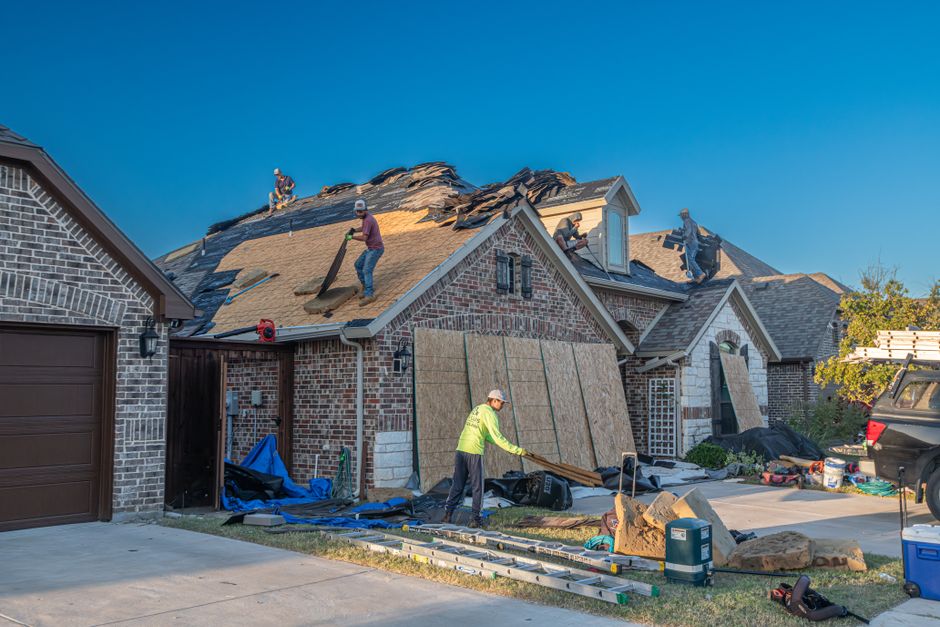
Roof maintenance is mostly a matter of observation, cleaning, and timely minor repairs—not climbing onto the roof every season. For homeowners in Endwell, NY, regular checks can help identify water entry, damaged shingles, clogged drainage, and winter-related problems before they affect ceilings, insulation, or framing.
How often should a roof be checked?
A roof should receive a basic visual inspection at least twice a year: once in spring and again in early fall. Additional checks are useful after heavy wind, strong thunderstorms, major snowfall, or long periods of freezing and thawing.
A ground-level inspection is often enough for routine maintenance. Use binoculars to examine roof surfaces, flashing, vents, and gutters from a safe position. Avoid walking on the roof unless the surface is designed for safe access and the work can be performed without fall exposure.
Look for:
- Missing, lifted, cracked, or curled shingles
- Dark areas that may indicate moisture or algae growth
- Exposed fasteners or loose flashing
- Sagging roof lines
- Damaged vent pipes or metal collars
- Granules collecting in gutters or at downspout outlets
- Moss or plant growth in shaded areas
A small defect may not cause an immediate interior leak. Water can travel beneath roofing materials before appearing around a ceiling fixture or along an outside wall.
What should be done during a spring roof check?
Spring maintenance should focus on winter damage and drainage. Snow, ice, wind, and repeated freeze-thaw cycles can loosen roofing materials and open small gaps around flashing.
From the ground, check for branches, displaced shingles, bent gutters, and downspouts that pulled away from the house. Inside the attic or upper floors, inspect for damp insulation, water stains, musty odors, or daylight visible around roof penetrations.
Gutters should be cleared of leaves, shingle granules, and other debris. Confirm that water flows through the downspouts and exits several feet away from the foundation when possible. A blocked gutter can overflow against fascia boards, siding, window trim, or the foundation.
Do not assume that a dry ceiling means the roof is undamaged. Some leaks appear only during wind-driven rain or when snow melts rapidly.
How can homeowners prepare a roof for winter?
Fall maintenance should be completed before regular snow and ice arrive. The main goals are to keep water moving away from the house and reduce conditions that allow ice dams to form.
Clean gutters and downspouts, then check whether they are securely attached. Remove leaves and small branches from roof valleys and other areas where debris collects. Trim tree limbs that rub against the roof or could fall during a windstorm, but do not climb near utility lines or unstable branches.
Attic ventilation and insulation also affect winter roof performance. Warm air leaking into a cold attic can heat the underside of the roof, melt snow unevenly, and contribute to ice buildup at the eaves. Signs of an attic moisture problem may include frost on roof sheathing, damp insulation, peeling paint, or persistent mildew odors.
Adding insulation or changing ventilation is not a simple surface-level repair. Blocking vents or covering them with insulation can make moisture and temperature problems worse. Any attic work should preserve intended airflow from lower roof edges toward upper vents.
Are ice dams caused only by snow?
No. Ice dams usually develop when heat escapes into the attic and warms portions of the roof, while the roof edge remains below freezing. Meltwater then refreezes near the eaves and can back up beneath roofing materials.
Snow depth, air temperature, roof design, insulation levels, air leaks, and ventilation all influence the risk. Removing snow from the roof may reduce the load in some situations, but it does not correct the heat loss that caused uneven melting.
Homeowners should not chop ice with tools or use open-flame devices. These actions can damage shingles, gutters, flashing, and nearby materials while creating serious personal safety risks. If ice buildup is extensive or water is entering the home, stay off the roof and address interior damage promptly.
How should gutters and downspouts be maintained?
Gutters should be cleaned whenever debris prevents water from flowing freely, with many homes needing attention in spring and fall. Properties near mature trees may require more frequent checks.
After cleaning, run water through the system or inspect it during rain. Watch for:
- Water spilling over the front edge
- Leaks at seams or end caps
- Gutters pulling away from the fascia
- Downspouts that discharge beside the foundation
- Water stains beneath the gutter line
- Rusted or separated sections
Gutter guards can reduce some debris, but they do not eliminate maintenance. Fine roof granules, pine needles, seed pods, and ice can still obstruct portions of the system.
Never lean a ladder against a gutter. Use a stable setup on level ground, keep three points of contact, and avoid ladder work during wind, rain, or icy conditions.
What roof cleaning is safe to do yourself?
Light debris can often be removed from the ground with a soft roof rake or an extension tool designed for the task. Avoid pressure washing. High-pressure water can strip protective granules, force water beneath shingles, and damage flashing or sealants.
Moss should not be pulled aggressively from shingles because the roots can lift the roofing surface. Chemical treatments also require care around plants, siding, pets, and storm drains. If growth is widespread or the roof is steep, wet, brittle, or difficult to access, attempting removal may create more damage than it prevents.
Branches should be removed carefully from accessible areas without dragging them across shingles. A branch that has punctured the roof, damaged flashing, or struck a vent requires closer inspection.
Which roof problems require immediate attention?
Some conditions should not wait for a routine maintenance visit or the next convenient weekend. Act promptly if there is:
- Active water dripping indoors
- A large ceiling stain that is growing
- A sagging roof deck or ceiling
- Extensive shingle loss after a storm
- Exposed underlayment or roof sheathing
- A fallen tree or large branch on the roof
- Electrical equipment affected by water
- Severe ice buildup near roof edges
- A damaged chimney, vent, or skylight
Place a container beneath an interior drip if safe, move belongings away from the area, and avoid touching wet electrical fixtures. Do not enter an attic if the floor is unstable or electrical wiring may be wet.
Can roof maintenance be done without climbing onto the roof?
Yes. Many valuable maintenance tasks can be completed from the ground, from windows, or inside the attic. These include visual inspections, gutter checks, downspout testing, tree observation, attic moisture checks, and looking for ceiling stains.
Roof surfaces become especially hazardous when wet, frosted, moss-covered, or covered by snow. Even a low-slope roof can have weak areas, hidden skylights, or slippery granules. If a task requires stepping onto the roof, involves fall exposure, or follows major storm damage, safety should take priority over completing the work personally.
Keeping dated notes and photographs can also help track changes. Record areas of missing granules, recurring stains, gutter problems, or repairs made after severe weather. A simple maintenance history makes it easier to distinguish a new problem from an old one and to plan work before seasonal weather becomes severe.
